


East Northport, New York · Seller's guide
Selling Your House in East Northport, NY
Thinking of selling your East Northport home? Most people start with the same few questions. What's it worth? What should I fix? What is this going to cost me? And who can I trust to handle it?
I'm Linda LaFleur. I've been licensed in New York since 2017, I passed the home inspector course, and I work out of the Sayville office of Signature Premier Properties. I sell homes in East Northport and across Long Island, and here's how I'd take you through it, start to finish.
Your agent
Why East Northport sellers call me.
Licensed since 2017
I work with homeowners in East Northport and across Long Island.
Licensed Real Estate Salesperson
License number 10401302264 in New York. Signature Premier Properties (Licensed Real Estate Broker), 95 W Main St, Sayville. Office: (631) 567-0100. Mobile: (631) 320-8363.
Home inspector course, passed
When I go through a house I notice the roof, the heating, the electrical panel and signs of water, the things that usually come up after an offer. You hear about them early, from me.
SRES and ABR designations
Both earned on top of my license. SRES training is about moving on from a house you've had for many years. ABR taught me how buyers get advised, which helps when I'm across the table from them.
I walk your house myself
Before there's any talk of a number for your East Northport home, I come see it, room by room.
People I trust
Roofers, contractors, attorneys and lenders I've come to rely on over the years, so when something comes up, there's someone to call.
Latest figures
What is happening in East Northport right now.
Data courtesy of OneKey MLS as distributed by MLS GRID as of October 2026. Read the latest report. One month on its own can mislead, since it may rest on very few closings, so read it alongside its neighbors.
How I read these numbers
What stands out to me in East Northport is how firm prices have stayed as the weather cooled. Buyers paid about 107.6 percent of asking in May, 106 percent in August and 105.3 percent in October, and 13 of October's 16 sales reached the asking price or better.
The pace is what changed. From May through August the typical home sold in about two weeks. September took 24 days and October took 19, and closings thinned from 28 in both July and August to 15 and then 16. Last October looked much the same, at 105.6 percent and 21 days, so I'd call this autumn and leave it at that.
February is the month I keep in mind. Only 5 homes closed, at a median of $660,000, and they took 40 days. When so few homes sell, the number says as much about which houses happened to sell as it does about the market.
October's median of $821,000 compares with $775,000 a year earlier. That's the town, though. It tells you nothing about the roof over your head or the street you're on, and those are what we'll be talking about.
Setting the asking price
What is your home really worth?
An online estimate is a starting place, and that's all it is. It has no way of knowing that you put on a new roof four years ago, or that the back bedroom gets damp after a hard rain. So I'd like to see the house before I say a number. A price given over the phone is a guess, and guesses cost sellers money in both directions.
After I've walked through, we'll sit down with what has actually closed nearby. Asking prices tell us what somebody hoped for. Closed prices tell us what somebody paid. We'll go through why one house brought more than another and where yours belongs among them, so the reasoning is right in front of you.
Why does the opening price matter so much? Because every active buyer looks at a new listing at about the same time, and that window lasts roughly two weeks. Price it right and enough of them come through to compete. Price it too high and you spend those two weeks on nothing, and by the time it comes down, the people who were paying attention have started asking what's wrong with it.
If we get it slightly wrong, I'd rather adjust early. A small reduction two weeks in tells buyers you're serious. Three reductions over three months tells them to wait for the fourth.
I'm not going to give you a flattering number just to get the listing. If you'd like a rough figure before we meet, you can get an estimate of your home's value here, and then let me come make it a real one.
What goes into the comparison
Bedrooms and bathrooms are only the start. Here's what moves a price:
- How recent the sale was. What East Northport buyers pay and how fast they move changes through the year. A spring sale needs adjusting before it says anything about this month.
- The big systems. Roof, heating, electrical service, water. Buyers do this arithmetic in their heads, and an old roof comes off your price whether anybody says so out loud or not.
- Finished space that's truly finished. A basement with its paperwork in order counts for something different than a weekend project from years ago.
- The lot and the street. A level, usable yard adds to a price. A busy road takes away from it.
- The tax bill. Monthly payment is how most people shop, and a heavier tax bill feels to them like a higher price.
- What's for sale this week. You'll be shown back to back with whatever else is out there, and buyers remember the comparison.
You'll see all of it, so the price isn't something I hand you. It's something we work out together.
If you price high to leave room
I understand the instinct, and it's still the most expensive common mistake I can think of. Buyers search inside price ranges. Put your home above the range it belongs in, and the people who'd have loved it never see it. They don't send a lower offer, because they don't know you exist. Meanwhile, whoever does see it is weighing it against nicer houses at that price.
If you price low to draw a crowd
A price just under the market can bring more people through, and more people can mean a stronger result. That takes actual demand and a house people want, so I wouldn't suggest it until we've looked at what's selling right now, because a low price can also just be the price you get.
The appraisal comes later, and it counts
When a buyer has a mortgage, their lender sends an appraiser, who has to find sales that justify the price. An offer way over the market is only as solid as that appraisal. A larger down payment gives everybody some room if the number comes in short, and that's one more reason to start with a price we can defend.
Curious where your home stands?
We can go through it whether you're selling this spring or just thinking about it.
Ask me to come see the houseRoom by room
How I'd get your home ready.
Long before you spend anything, I want to go through the house with you and see it as a stranger would. You've stopped noticing the chip in the counter and the door that sticks in August. A buyer sees them in the first minute. Since I passed the home inspector course, I also go through a house the way an inspector will, and I'd much rather you hear about something from me, sitting in your living room, than from the buyer's attorney three weeks after you've accepted an offer.
People waste the most money right here. A friend tells them the kitchen has to go, and they spend tens of thousands of dollars they'll never see again. Buyers discount very little for a dated finish, and plenty of them have their own plans for it anyway. What they discount hard is whatever looks expensive and structural: the roof, the heating, the electrical service, water getting in.
The typical home for sale in East Northport was built in 1962 and carries about $14,362 a year in property taxes. So the buyer pulling up already expects a house with some years on it, and is already doing the math on the monthly payment. Good upkeep and a clear story about the big items go a long way here.
Year built and property taxes are medians of the homes for sale. Data courtesy of OneKey MLS as distributed by MLS GRID as of November 2026.
Clear it out, then clear it out again
Nothing else you can do costs so little and changes so much. Buyers need to imagine their own life in those rooms, and your things are in the way. Box up the collections, the photographs on the wall and whatever has settled on the floor. Thin every closet by about a third, since people really do open them, and a jammed closet reads as a house short on storage. Do the same in the garage and the basement. You'll be moving it all eventually, so start now.
Clean it deeper than you think you need to
Scrub what nobody scrubs: grout, baseboards, oven racks, window tracks, the dust on top of the cabinets. Hiring a cleaner for one thorough pass is money well spent. Pay special attention to smells. Smoke, pets and a damp basement stay with a buyer, and after enough years you stop noticing your own. I'll be honest with you about it.
Bring in the light
Bright rooms sell. Pull back the heavy drapes, wash the glass, and put the same kind of bulb in every fixture. A dark room with a fresh coat of light paint looks like a different room, and it costs very little.
Finish off the old repairs
You fixed the leak years ago, and there's still a stain on the ceiling. You know that's over with. A buyer sees a leak and starts wondering what else is wet. Same goes for the blistered paint by the shower or the soft spot in the floor near the slider. Once a problem is gone, make it look gone.
Where I'd put money, in order
- Anything failing or unsafe. An active leak, a dead outlet, a wobbly handrail, a broken step. These come first.
- Anything that reads as neglect. Worn carpet with stains, a basement that smells of damp, weeds along the front walk.
- The small stuff that piles up. Loose knobs, a dripping faucet, cracked switch plates. Any one is nothing. Twenty of them say nobody's been looking after the place.
- Paint and floors, where they need it. Pull up a corner of old carpet first. Sometimes there's a very good floor under there.
- Kitchens and baths, last and rarely. A clean, working older kitchen is fine. A remodel done purely to sell almost never comes back to you.
The big items buyers add up
The roof, the heating system, an oil tank, the cesspool, the windows, the panel. Buyers know what those run, so they count them. Where you've already replaced one, dig out the paperwork, because a folder of receipts with dates and contractors' names turns a buyer's worry into a checked box. Where you haven't, we may not need to touch it. The price just has to allow for it, because somebody's going to count.
What's going through a buyer's mind
They're asking three things as they walk around. Could this feel like mine? What's it going to run me after closing? What's hiding behind these walls? Everything on this list answers those before anybody has to ask. Once a buyer stops worrying, they start arranging their furniture in their head, and good offers come from there.
Loose ends
If you added a deck or finished the basement over the years, check that the work was signed off. A buyer's attorney will ask, and it's a lot easier to deal with in week one than after contract. Most of the time it can be straightened out. If you've got an old mortgage or credit line you paid off long ago, set the satisfaction papers aside for your attorney.
Selling it as it stands
Maybe you don't have the money, or the time, or the interest. That's okay. Imperfect houses sell every month, because some buyers come looking for a place they can make their own. The price has to match what they're taking on, and you'll still answer the state's disclosure form truthfully. What you save is a lot of work you may not want to do.
Not sure what's worth doing?
Let's walk it together before any money goes out, and I'll tell you which parts actually matter.
Schedule a walk-throughOut in the world
Getting it in front of the right buyers.
The first showing happens on somebody's phone, usually late at night, and it lasts a few seconds. If the pictures don't stop them, they never call. That's why professional photographs are part of this, and why they come last, once the house is actually ready. Taking them early wastes the one shot you've got.
The day before the camera comes
- Clear the kitchen and bathroom counters completely, soap and toothbrushes included.
- Take the magnets and papers off the refrigerator door.
- Make every bed, and clear the nightstands and dressers.
- Hide the mail, the remotes, the trash cans and the pet bowls.
- Pull back the drapes, turn on every lamp, and swap out any mismatched bulbs.
- Move the cars, cut the grass, sweep the walk and put away the garden hose.
I'll go through once more before the camera does. We aren't hiding anything. We're just showing the house on a very good day.
Go on the market once
The listing goes live when the house, the photographs, the description and the paperwork are all done, because the first two weeks can't be run twice. A listing that appears half ready, disappears and comes back teaches buyers to wonder why. Your home is only new once.
Showings
Plan to be out. Buyers loosen up and talk once the owner has left, and they stay longer. I know that's a nuisance with work and pets, so we'll build a schedule you can live with. Afterward I'll pass along the feedback, including the comments that sting, because those are the useful ones.
Side by side
The highest offer isn't always the one you want.
Of course the number matters. But a higher offer that falls apart five weeks in, after you've booked the movers, costs you more than a slightly lower one that closes. So I'll lay them side by side and give you my opinion. The decision is yours. It's your house.
What else is in an offer
- How the buyer is paying. The mortgage amount, whether they're truly pre-approved, and with whom.
- The down payment. A bigger one leaves a cushion when an appraisal falls short.
- The closing date. Does it work with where you're going next? A date that suits you can outweigh a few thousand dollars.
- The inspection. What do they plan to look at, and how do they expect to handle what turns up?
- What it depends on. A deal that needs the buyer to sell a house first is a deal you don't control.
In New York, nobody is bound until both sides have signed contracts. The days between "we accept" and signed contracts are when deals get lost, so getting to contract quickly is worth real money to you.
When more than one buyer wants it
That's a good problem, and it still needs care. We can set a deadline for everyone's final terms and then compare the whole of each offer, every condition included. Sometimes the right call is a lower price from the buyer most likely to get to the closing table.
When the inspection report comes back
It's going to be long, and some of it will sound terrible. That's what those reports are like. A house with sixty years on it has sixty years of small things in it. Because I've walked it first, the serious items should already be known to us and already in the price.
If the buyer asks for money, we sort the requests into three piles: real and fair, real but already priced in, and wishful thinking. Then you can answer with a clear head, and nobody has to fight over a loose doorknob.
What selling costs you
If you're selling a home in East Northport, these are the costs to plan for.
| Commission | Negotiable, and put in writing before we start. |
|---|---|
| Your attorney | New York sales run through lawyers, so budget for yours from contract to closing. |
| New York State transfer tax | It runs $2 per $500 of the sale amount, typically the seller's cost. On an $800,000 sale, that's $3,200. |
| Mortgage or credit line payoff | Whatever you still owe gets paid off from your proceeds at the closing. |
| Adjustments | The attorneys divide property taxes and similar items between you and the buyer. |
| Moving and clearing out | Often the cost people forget, especially after many years in one house. |
Ask me early for a rough idea of what you'd walk away with. Your attorney will have the exact figures for your sale, and you shouldn't have to wait for the closing table to find out.
The last stretch
From accepted offer to closing.
Saying yes to a buyer is the start of the paperwork. After both sides sign, budget six to ten weeks, driven mostly by the buyer's lender. It usually goes in this order:
- The lawyers get to work. Your attorney drafts the contract and the buyer's attorney goes over it. Choose yours before you list.
- The buyer inspects. On Long Island this generally comes ahead of contract, so whatever needs negotiating gets settled now.
- The disclosure statement. The state's property condition form goes to the buyer before anyone signs a binding contract. You fill it in from what you actually know, and your attorney will help with it.
- Contracts get signed. The buyer puts down a deposit and your attorney holds it.
- The appraisal and the mortgage. The lender sends an appraiser and finishes underwriting. This is usually the long wait.
- Title. A title company looks for old claims against the property. That old credit line turns up here if nobody ever closed it.
- The house gets emptied. Give yourself more time for this than you think you need.
- Final walk-through and closing. The buyer goes through once more, everybody signs, and the keys change hands.
My job through all of this is to keep it moving and to keep you up to date, so you're never left wondering where things stand.
The harder ones
When it isn't simple.
Most moves start with something in life shifting, and the house is only part of that. Here's how I'd think about the situations that come up most.
When you've inherited the house
Find out first, from the estate's attorney, who has the legal authority to sign, because everything else waits on that. In the meantime, keep the place insured and heated, have someone collect the mail, and leave the belongings where they are until you've had time to breathe. If several people have a say in the sale, it helps to get everyone looking at the same numbers at the same time.
When it's time for less house
A house fills up slowly and empties all at once, and the thought of it keeps people from calling anyone for a year or two longer than they meant to. Don't start with the hard stuff. Decide what's coming with you first, then start in a room with no memories in it, like the laundry room or the shelf of paint cans in the garage. Know where you're headed before we settle on a closing date, so you aren't moving in a panic. Your accountant can tell you about the gain on a house you've held a long time.
When you're buying while you sell
The answer depends on how much of this sale pays for the next place. Sometimes the two closings can land on nearly the same day. Sometimes we ask a buyer for a longer closing or a short stay after the sale, and sometimes the honest answer is a few months somewhere temporary. Talk to a lender early, before anything goes on the market.
When you live somewhere else
You don't need to be here for this. I can coordinate access, meet the contractors and report back however you like to hear from me. Your attorney will explain how the signing works from a distance. Keep the house insured and looked after in the meantime, and let me know who has a key.
When you get cold feet
Tell me. Leaving a house is a big thing, and if you aren't ready, I'd much rather hear it from you than watch you push through it. Calling me doesn't commit you to anything, now or later.
Recent work
Homes I've sold.
Every home I've listed and closed is on my sold page, with the price and the date.
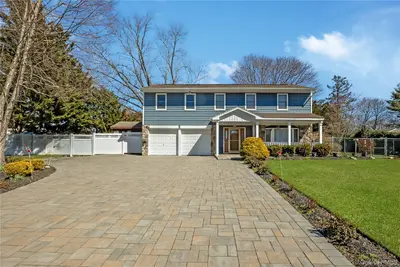
8 Shari Lane, East Northport
$980,000
Sold July 2026
Listed by Lisa Albinowski, Licensed Associate Real Estate Broker, CBR SRES SRS and Linda LaFleur, Licensed Real Estate Salesperson, Signature Premier Properties
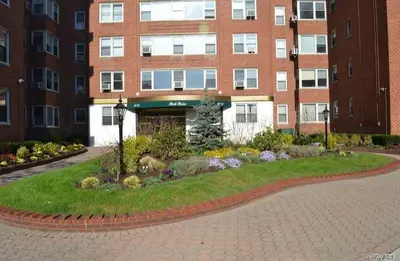
110-45 Queens Boulevard, Forest Hills
$499,999
Sold February 2021
Listed by Linda LaFleur while with Goldilocks Real Estate
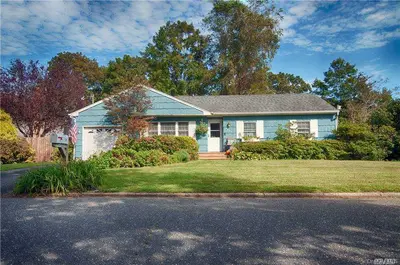
2301 Louis Kossuth Avenue, Ronkonkoma
$430,000
Sold January 2021
Listed by Linda LaFleur while with Goldilocks Real Estate
297 Cardiff Court, Ridge
$225,000
Sold October 2020
Listed by Linda LaFleur while with Goldilocks Real Estate
Questions
What East Northport sellers ask me.
These come up early in almost every conversation. Yours may not be here, so ask.
Who should sell my home in East Northport?
I'd be glad to be the one you call. I'm Linda LaFleur, a Licensed Real Estate Salesperson. I work with Signature Premier Properties and I've held my New York license since 2017. I passed the home inspector course, and I walk every house myself before I talk about a number. Call me on my Mobile: (631) 320-8363.
How long will my East Northport home take to sell?
The panel above shows how long East Northport homes are taking right now. After that, plan on six to ten weeks after both sides sign, driven mostly by the buyer's lender. Whatever the month, a sensible price shortens the wait.
Should I wait for spring?
That comes down to your house. Spring brings out buyers, and it brings out other sellers too, so waiting isn't automatically worth it. If the house is ready and you have to move, I wouldn't sit on it because of the calendar. If it needs work anyway, spring gives you the time.
What is my East Northport home worth?
Not until I've seen it, if you want an honest answer. An online number gets you into the right area, and the median on this page speaks for the town. Neither has seen your roof, your layout, your taxes or your block. Let me walk it, and then we'll study what has actually closed nearby, one house at a time, until the figure makes sense to you.
What's worth fixing before I list?
Give me a budget, even if it's nothing. At nothing, the plan is clearing out, cleaning up and getting the price right. At a few thousand, we choose the repairs that will show. Above that, fresh paint and refinished floors may earn their keep. Spending money out of a sense of obligation is the one thing I'd talk you out of.
Can I sell my home in East Northport as-is?
Yes. The price has to reflect what the buyer is taking on, and you still answer the state's disclosure form truthfully. Plenty of buyers want exactly that kind of house, and it may save you a lot of work you didn't want to do anyway.
Should I pay for my own inspection first?
Most of the time, no. Because I've passed the home inspector course, I can usually spot what's going to come up when I walk through. If something looks like it needs a specialist, like the sewer line, the tank or a structural question, it can be worth paying someone to look before a buyer does.
Should I be around for showings?
It goes better when you aren't. People linger and speak freely once the owner has left. We'll set the times around your work and your pets, and I'll let you know how each one went.
I've already moved out. Can I still sell my home in East Northport?
That's no obstacle. I can handle access and keep you posted however you like, and your attorney will tell you what's needed for the signing. Just keep it insured and heated while it's empty, and a few pieces of furniture can help it show.
Should I just take the first offer?
Give it a fair look, whenever it shows up. An early offer can come from someone who has been watching the market for exactly this kind of house, and early offers are sometimes the strongest ones. Weigh the money, the financing and the odds that this buyer reaches the closing, and pay no attention to when it arrived.
What do I tell a buyer about problems I know about?
The truth. The state's disclosure form covers what you're aware of, and "I don't know" is a fine answer when it's accurate. An issue raised up front can be priced and worked through. An issue a buyer uncovers alone makes them suspicious of the whole house, and concealing what you knew may cause you trouble well after the closing.
Does it cost anything to have you come by?
No. Even if you're a year or two away from doing anything. Commission only comes up if you decide to list, and it's negotiable and agreed in writing first. Mobile: (631) 320-8363.
When you're ready
Selling a home in East Northport? Let's talk.
You don't need to have decided anything, and you don't need to have cleaned a thing. Tell me about the house and where you'd like to end up, and you'll get a frank answer about what it would take.
